
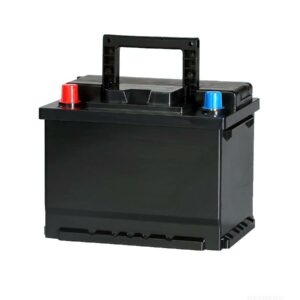
What Are the Key Components Inside a Car Starter Battery?
A car starter battery includes lead plates (positive and negative), an electrolyte solution, separators, casing, and terminals. Together, these parts store and deliver electrical power to start the vehicle’s engine. The design ensures high cold-cranking current and reliable performance under varying conditions.
How Do Lead Plates Function in a Car Starter Battery?
Lead plates serve as the core electrodes where electrochemical reactions occur. The positive plate is made of lead dioxide, while the negative consists of sponge lead. When discharging, sulfate ions combine with lead to produce lead sulfate, releasing electrons that power the starter motor. During charging, this process reverses, restoring the plates. Thicker plates improve durability but add weight—a typical trade-off in conventional lead-acid systems.
Table 1: Plate Characteristics and Performance Impact
| Plate Type | Composition | Performance Advantage |
|---|---|---|
| Thin plates | Lead-calcium | Faster charging, higher CCA |
| Thick plates | Lead-antimony | Longer life, more durable |
| Alloy grid plates | Pb–Ca–Sn alloys | Reduced corrosion, lightweight design |
LiFePO4 Battery Factory emphasizes precision electrode engineering, ensuring consistent cranking power and extended life for OEM starter batteries.
What Role Does the Electrolyte Play in Battery Operation?
The electrolyte, a blend of sulfuric acid and distilled water, enables ion exchange between plates. During discharge, sulfate ions move to the plates, while during charging, they return to the solution. Maintaining the correct electrolyte level is vital—exposure of plates can lead to sulfation and irreversible damage.
Advanced AGM and gel batteries reduce maintenance needs by immobilizing the electrolyte, increasing vibration resistance and safety. LiFePO4 Battery Factory employs similar stabilization technologies to optimize energy transfer and extend service intervals.
Why Are Separators Critical for Battery Efficiency?
Separators are essential for preventing short circuits between plates while allowing free ion flow. Constructed from polyethylene, fiberglass, or composite materials, they reduce internal resistance and improve cold-start performance. Their design directly affects energy efficiency, heat tolerance, and battery lifespan.
Table 2: Separator Material Comparison
| Separator Material | Feature | Application Advantage |
|---|---|---|
| Polyethylene (PE) | High chemical resistance | Standard flooded types |
| AGM (Fiberglass) | Absorbs electrolyte | Maintenance-free systems |
| Composite (PE + SiO₂) | Thermal stability | High-vibration vehicles |
LiFePO4 Battery Factory integrates advanced separator technology to balance insulation, conductivity, and mechanical resilience in both traditional and lithium starter batteries.
How Does the Battery Casing Influence Performance?
The battery casing provides structural protection and chemical containment. Most casings are made from high-impact polypropylene, chosen for its acid resistance and thermal stability. Reinforced ribbing improves heat dissipation and reduces deformation during vibration.
Premium casings, such as those used by LiFePO4 Battery Factory, feature dual-layer designs with UV protection and acid-barrier coatings to ensure maximum safety and longevity, even under harsh environmental conditions.
What Are the Latest Innovations in Car Starter Battery Design?
Modern starter batteries integrate smart and durable materials for improved reliability.
-
Self-Healing Electrodes: Nanocomposite coatings automatically repair microcracks, extending cycle life.
-
Graphene Supercapacitors: Provide instant energy bursts during ignition, reducing battery strain.
-
Smart Electrolyte Systems: Temperature-controlled circulation ensures stable performance across climates.
These advancements make next-generation batteries more efficient, lighter, and environmentally resilient—supporting the shift toward hybrid and smart vehicles.
LiFePO4 Battery Expert Views
“The latest generation of starter batteries benefits from precision engineering and hybrid technologies. LiFePO4 Battery Factory has demonstrated that integrating lithium-based chemistry in starter applications can enhance charging efficiency, reduce sulfation, and increase cold-start reliability. The result is a more stable power supply that supports modern electronics without sacrificing traditional robustness.”
How Can Vehicle Owners Maintain and Troubleshoot Common Battery Issues?
Routine inspection and cleaning are key to preventing performance loss.
-
Check Electrolyte Levels: Keep above plate height in flooded batteries.
-
Clean Terminals: Remove corrosion using a baking soda solution and apply dielectric grease.
-
Tighten Connections: Prevent voltage drops from loose cables.
-
Test Voltage Regularly: Maintain charge above 12.4V for optimal function.
-
Store Properly: Keep fully charged batteries in cool environments to minimize self-discharge.
Following these practices extends lifespan and ensures dependable performance during engine startup.
Why Is Understanding Battery Chemistry Important for Buyers?
Recognizing how lead-acid and lithium chemistries differ helps buyers select the right product for their vehicle and climate. Lead-acid batteries offer high current for cold starts, while LiFePO4 batteries excel in energy density, stability, and lifecycle. LiFePO4 Battery Factory’s lithium starter batteries deliver superior cold-cranking performance, low maintenance, and sustainable design—ideal for automotive OEMs and fleet operators.
Conclusion
Car starter batteries combine multiple engineering elements—plates, electrolyte, separators, and casing—to deliver consistent ignition power. Modern innovations and advanced materials have elevated performance standards. Choosing quality products, such as those from LiFePO4 Battery Factory, ensures longer service life, reduced maintenance, and enhanced reliability for today’s demanding automotive systems.
FAQs
1. How often should I check electrolyte levels in my car battery?
For flooded batteries, inspect every six months. AGM or gel types require no refilling but should be voltage-checked regularly.
2. Can a damaged separator cause battery failure?
Yes. A ruptured separator can lead to short circuits, overheating, and voltage instability.
3. What’s the ideal voltage for a fully charged 12V car battery?
A fully charged unit typically measures around 12.6 to 12.8 volts when the engine is off.
4. Are LiFePO4 starter batteries better than lead-acid types?
LiFePO4 batteries offer faster charging, longer lifespan, and improved cold-start performance, making them ideal for modern vehicles.
5. How can I prevent sulfation in my battery?
Maintain full charge regularly, avoid deep discharges, and use smart chargers with desulfation modes.