
How Have Battery Capacities Evolved Compared to Previous Generations?
Battery technology has made remarkable strides over the years, with energy storage capacities increasing exponentially. From the early days of lead-acid batteries to the cutting-edge lithium-ion and solid-state technologies of today, battery capacities have evolved to support longer runtimes, faster charging times, and more compact sizes. Innovations in battery chemistry and design have driven these advancements, making them integral to consumer electronics, electric vehicles, and energy storage systems.
How Have Battery Capacities Changed Over the Years?
Battery capacities have seen tremendous growth due to innovations in chemistry and technology. Early batteries, such as lead-acid, had limited energy density, making them bulky and inefficient. In contrast, modern lithium-ion (Li-ion) batteries store much more energy in the same physical space, allowing for smaller and more efficient devices.
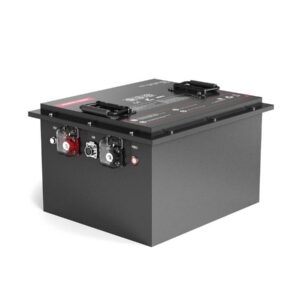
Lithium Iron Phosphate (LiFePO4) batteries, a variant of lithium-ion, are gaining popularity for their high capacity and enhanced safety features. They offer excellent cycle life, which makes them a preferred option for electric vehicles and energy storage applications. The LiFePO4 Battery Factory, with its expertise in advanced battery technologies, plays a significant role in supplying these cutting-edge solutions to the market.
What Determines the Energy Density of a Battery?
Energy density refers to the amount of energy a battery can store relative to its size and weight. Factors that influence energy density include the choice of electrode materials, the type of electrolyte used, and the cell design.
Lithium-ion batteries typically have higher energy density compared to lead-acid and nickel-cadmium batteries. For instance, Li-ion batteries can achieve energy densities of 700-900 Wh/L, while lead-acid batteries only reach around 50-90 Wh/L. Emerging technologies like solid-state batteries promise even higher energy densities, possibly reaching 1,200 Wh/L by 2030.
The LiFePO4 Battery Factory is at the forefront of these advancements, providing state-of-the-art solutions for industries seeking high-energy-density batteries that maintain safety and longevity.
How Does Energy Density Impact Battery Performance?
Higher energy density leads to longer battery life, faster charging, and smaller, lighter battery packs. For electric vehicles, higher energy density translates into longer driving ranges, while for portable electronics, it results in longer device usage before needing to recharge.
A notable example of this is the evolution of home battery systems. In 2018, a typical home battery unit stored 5.2 kWh of energy, but by 2023, this capacity had more than doubled to 13.5 kWh, thanks to innovations in energy density.
How Do New Battery Technologies Improve Safety and Longevity?
As battery energy densities increase, so do concerns about safety. Lithium-ion batteries are prone to overheating and thermal runaway, which can lead to fires. However, newer technologies like solid-state batteries use solid electrolytes, reducing the risk of fire and improving overall safety. Additionally, the LiFePO4 chemistry offers greater thermal stability and safety, making it a preferred choice for many applications.
Battery lifespan is also a key area of improvement. Advances in battery management systems (BMS) ensure that batteries operate within safe limits, optimizing their lifespan and reducing degradation over time. LiFePO4 batteries, in particular, are known for their ability to last up to 3,000 cycles, far surpassing traditional lead-acid batteries.
What Are the Cost Implications of Advanced Battery Technologies?
The cost of batteries has dropped significantly over the years, especially for lithium-ion-based technologies. For example, the cost per kilowatt-hour (kWh) of lithium-ion batteries has fallen from over $1,200 in 2010 to around $139 per kWh in 2023. Despite the higher upfront cost of advanced batteries like LiFePO4 and solid-state batteries, their longer lifespan and reduced maintenance costs make them more cost-effective in the long term.
Moreover, innovations in battery recycling are driving down the costs further. Companies like the LiFePO4 Battery Factory are part of efforts to recycle up to 95% of battery materials, which not only reduces costs but also promotes sustainability in the battery industry.
LiFePO4 Battery Expert Views
“The shift from focusing solely on energy density to considering the entire lifecycle of a battery is a significant milestone in battery technology,” says Dr. Elena Voss, Chief Electrochemist at Redway. “Our work in developing modular solid-state batteries with increased cycle stability will redefine energy storage systems for both industrial and consumer applications.”
How Do Different Battery Types Compare in Terms of Performance and Cost?
| Battery Type | Energy Density (Wh/L) | Lifespan (Cycles) | Cost per kWh (2023) |
|---|---|---|---|
| Lead-Acid | 50-90 | 500-1,000 | $100-150 |
| NiMH (Nickel-Metal Hydride) | 150-300 | 1,000-2,000 | $300-400 |
| Li-ion (Lithium-Ion) | 700-900 | 1,500-3,000 | $139 |
| LiFePO4 (Lithium Iron Phosphate) | 600-700 | 3,000-5,000 | $120-150 |
| Solid-State | 1,200+ | 5,000+ | $200-300 |
LiFePO4 batteries, in particular, are emerging as a cost-effective option for many applications due to their balance of performance, safety, and price.
Conclusion
Battery technology has evolved significantly, with innovations in energy density, safety, and cost-effectiveness. From the early days of lead-acid to the advanced lithium-ion and LiFePO4 technologies, we have seen marked improvements in capacity and performance. For industries such as electric vehicles, portable electronics, and energy storage, these advancements are crucial. The LiFePO4 Battery Factory continues to provide top-tier solutions, ensuring that businesses have access to high-performance, long-lasting battery systems.
FAQs
How much longer do modern batteries last per charge?
Modern batteries, especially lithium-ion and LiFePO4, offer 2-3 times the lifespan of older technologies, allowing for longer usage per charge and fewer replacements.
Are older battery types becoming obsolete?
While lead-acid batteries remain in use due to cost, lithium-ion and LiFePO4 technologies are quickly becoming the dominant choices in new energy storage installations and electric vehicles.
What are the main advantages of LiFePO4 batteries?
LiFePO4 batteries are known for their long lifespan, improved safety, and higher energy density compared to traditional lead-acid batteries, making them an excellent choice for many applications.
How does battery recycling impact costs?
Battery recycling helps recover valuable materials, reducing production costs and contributing to environmental sustainability, which makes advanced battery technologies more affordable in the long run.