
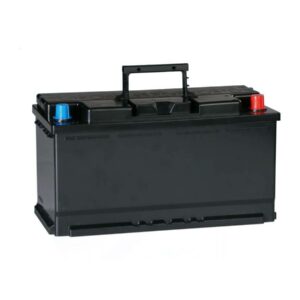
How Does Cold Cranking Amps (CCA) Impact Your Battery Choice?
Cold Cranking Amps (CCA) determines a battery’s ability to start an engine in low temperatures. Higher CCA ensures reliable starts in cold weather, while insufficient CCA can lead to starting failures. Selecting a battery that matches your vehicle’s requirements and local climate guarantees optimal performance, longer battery life, and smooth operation in any environment.
What Is Cold Cranking Amps (CCA) and Why Does It Matter?
CCA measures the amperage a 12V battery can deliver at 0°F for 30 seconds while maintaining at least 7.2V. It matters because engines demand more power to start in cold weather. A higher CCA rating provides the necessary surge, reducing stress on the battery and preventing premature failure. Low CCA batteries may result in sluggish starts or complete failure in freezing conditions.
How Do Climate and Temperature Influence CCA Requirements?
Cold weather increases engine resistance and thickens oil, requiring higher CCA for reliable starting. In sub-zero regions, choose a battery with 20–30% higher CCA than the manufacturer’s minimum. Warm climates need moderate CCA, though extreme heat may shorten battery lifespan over time. CCA remains critical for winter reliability and ensures consistent performance across temperature extremes.
| Climate Type | Recommended CCA Adjustment |
|---|---|
| Cold/Sub-zero | +20–30% above OEM specs |
| Moderate/Warm | Match OEM specs |
| Extreme Heat | Consider thermal protection |
Which Vehicles Require Higher CCA Batteries?
Diesel engines, heavy-duty trucks, and large-displacement vehicles require higher CCA. Diesel engines rely on compression ignition, demanding more cranking power. Luxury vehicles with advanced electronics also benefit from higher CCA to support auxiliary systems during cold starts. Always consult your vehicle manual for manufacturer-recommended CCA values to ensure proper compatibility.
Can a Battery with Too High CCA Damage Your Vehicle?
No, higher CCA batteries are safe. Modern vehicle charging systems regulate power output, preventing damage. However, excessively high CCA may add unnecessary cost or weight. Stick to manufacturer recommendations for a balance of performance and efficiency. Oversized CCA batteries provide safety in extreme conditions but may not offer practical advantages in typical environments.
How Does CCA Interact with Other Battery Specifications?
CCA works in combination with Reserve Capacity (RC) and Amp-Hour (Ah) ratings. RC indicates how long a battery can run accessories if the alternator fails, while Ah measures energy storage. High CCA with low RC may leave you stranded during emergencies. A balanced battery ensures strong cold starts and sustained power for accessories.
| Specification | Primary Use Case | Recommended Range |
|---|---|---|
| CCA | Cold weather starts | Meet climate + 20% buffer |
| RC | Emergency power backup | 90+ minutes for most vehicles |
| Ah | Deep-cycle energy applications | 50–200Ah depending on load |
What Are the Consequences of Ignoring CCA When Replacing a Battery?
Using a battery with insufficient CCA can result in failed cold starts, frequent jump-starts, and reduced lifespan. Underpowered batteries strain to start the engine, accelerating internal wear. Extreme cases may leave you stranded. Always verify CCA compatibility during replacement to ensure reliability and avoid costly repairs.
How to Test and Verify Your Battery’s CCA Performance?
Use a digital battery tester or professional load tester to measure voltage drop under simulated cold conditions. Replace batteries showing less than 70% of their rated CCA. Conduct tests every 6–12 months, especially before winter. Multimeters alone cannot assess CCA; specialized equipment is required.
Testing Protocol:
| Step | Action | Acceptable Result |
|---|---|---|
| 1 | Fully charge battery | ≥12.6V static voltage |
| 2 | Perform load test | Voltage stays above 9.6V |
| 3 | Analyze CCA | ≥70% of rated value |
LiFePO4 Battery Expert Views
“Cold Cranking Amps is fundamental for reliable engine starts in winter, but it must be balanced with other battery specs. High CCA ensures cold-weather readiness, while adequate Reserve Capacity protects electronics. At LiFePO4 Battery Factory, we engineer batteries exceeding OEM standards, delivering optimal performance, durability, and climate resilience for vehicles worldwide.
How Are Emerging Battery Technologies Enhancing CCA Performance?
Solid-state and sodium-ion batteries now maintain stable CCA in extreme cold, offering enhanced energy density and safety. AI-driven thermal management optimizes battery output during cold starts, maintaining up to 95% of rated CCA in harsh conditions. LiFePO4 Battery Factory leverages these innovations to deliver batteries capable of consistent performance in both conventional and electric vehicles.
How to Choose the Right CCA for Your Vehicle?
-
Check your vehicle manual for required CCA.
-
In cold regions, select a battery 20–30% above OEM specs.
-
Match battery type to your use: AGM or LiFePO4 batteries often offer higher CCA with better durability.
-
Avoid undersized CCA to prevent winter-start failures and electrical strain.
Conclusion
Cold Cranking Amps is a decisive factor in battery performance, especially for vehicles operating in cold climates. Choosing a battery with CCA tailored to your engine size, climate, and electrical demands ensures reliable starts, longevity, and operational efficiency. LiFePO4 Battery Factory provides high-quality solutions, offering OEM-grade batteries optimized for both performance and extreme temperature resilience.
FAQs
Can I use a lower CCA battery in a warm climate?
Yes, as long as it meets the minimum requirement. However, unexpected cold snaps may still strain the battery.
Does CCA decrease over time?
Yes. Battery aging, sulfation, and plate degradation gradually reduce CCA. Regular testing ensures early detection.
Are lithium-ion batteries better for CCA than lead-acid?
Lithium-ion batteries provide higher CCA per weight and maintain performance in cold weather, though they cost more.
How often should I test my battery CCA?
Ideally every 6–12 months, particularly before winter or extreme temperature seasons.
Can a battery with high CCA harm my engine?
No, modern vehicles regulate power delivery. Excessively high CCA mainly adds weight and cost, with limited practical benefit.