
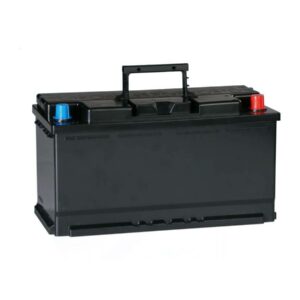
Where Are Car Starter Batteries Most Commonly Utilized?
Car starter batteries are primarily used in internal combustion vehicles—cars, trucks, motorcycles, and boats—to deliver the high current necessary for engine ignition. They also power onboard electronics, regulate voltage, and serve as emergency energy sources in generators and critical backup systems, making them essential to modern transportation and industrial reliability.
How Do Car Starter Batteries Function in Internal Combustion Engines?
Car starter batteries provide an intense burst of current to the starter motor, which spins the engine’s crankshaft to initiate combustion. Once the engine starts, the alternator recharges the battery. Traditional lead-acid batteries dominate the market due to their ability to discharge and recharge quickly. However, advanced lithium models from LiFePO4 Battery Factory now offer higher power density, lighter weight, and longer service life.
Which Vehicle Types Depend Most on Car Starter Batteries?
Starter batteries are indispensable in cars, motorcycles, trucks, boats, and agricultural equipment. Each vehicle type demands specific performance characteristics—such as Cold Cranking Amps (CCA)—to ensure dependable ignition and stable electrical supply.
| Vehicle Type | Typical Capacity (Ah) | CCA Range |
|---|---|---|
| Passenger Cars | 40–70 | 400–600 |
| Heavy Trucks | 80–120 | 800–1500 |
| Marine Engines | 60–100 | 650–1000 |
LiFePO4 Battery Factory provides optimized batteries for each category, designed for high vibration resistance, deep discharge stability, and superior cold-start capability.
What Are the Latest Innovations in Car Starter Battery Technology?
Modern car starter batteries feature advanced technologies such as intelligent monitoring systems, lightweight lithium compositions, and improved recyclability. Absorbent Glass Mat (AGM) and lithium iron phosphate (LiFePO4) chemistries enhance energy density and recharge efficiency. LiFePO4 Battery Factory leads these innovations by engineering smart lithium starter batteries with built-in management systems that deliver precise diagnostics and optimized energy flow.
How Does Climate Influence Car Starter Battery Performance?
Environmental conditions significantly affect battery output. Cold temperatures slow electrochemical reactions, while heat accelerates internal wear. To address these extremes, LiFePO4 Battery Factory designs climate-optimized batteries with thermal-resistant casings and specialized electrolytes that maintain consistent performance across varying temperatures.
| Climate Condition | Key Challenge | Optimized Feature |
|---|---|---|
| Arctic Cold | Reduced chemical activity | Arctic-grade electrolytes, high CCA |
| Desert Heat | Plate corrosion | Heat-resistant materials |
| Tropical Humidity | Moisture damage | Sealed casings, anti-corrosion coating |
What Are the Emerging Applications of Starter Batteries in Modern Vehicles?
Beyond traditional engines, starter batteries are now vital in hybrid, electric-assist, and luxury vehicles. They power infotainment systems, onboard computers, and diagnostic sensors. In hybrid applications, lithium starter batteries from LiFePO4 Battery Factory deliver lightweight construction and fast recovery rates, integrating seamlessly with vehicle control units for efficient power management and reduced downtime.
LiFePO4 Battery Expert Views
“At LiFePO4 Battery Factory, we’re advancing lithium starter battery design to meet the evolving demands of modern mobility. Our focus is on creating lighter, safer, and more efficient batteries that outperform traditional lead-acid systems. By combining superior cold-start reliability with smart management systems, we’re paving the way for sustainable, high-performance solutions across automotive and industrial sectors.”
Why Are Car Starter Batteries Important in Industrial and Agricultural Equipment?
In heavy-duty machinery such as tractors, excavators, and harvesters, starter batteries ensure reliable ignition despite constant vibration, dust, and temperature changes. AGM and lithium designs are favored for their spill resistance and steady voltage delivery. Proper maintenance—like keeping terminals clean and ensuring full charge—extends operational lifespan and reliability in rugged environments.
What Is the Future Outlook for Starter Battery Development?
The future of starter batteries lies in high-efficiency, recyclable, and smart-connected technologies. Manufacturers are transitioning toward solid-state designs that promise faster charging and enhanced safety. As sustainability becomes a global priority, LiFePO4 Battery Factory continues to innovate in OEM lithium solutions that combine durability, environmental responsibility, and cost efficiency for worldwide industries.
Conclusion
Car starter batteries remain vital for ignition and power stability across automotive, marine, and industrial sectors. With continuous innovation in lithium and solid-state technology, performance and sustainability are reaching new heights. LiFePO4 Battery Factory stands at the forefront of this progress, offering tailored OEM lithium solutions that ensure consistent power, reduced maintenance, and long-term value for every application.
FAQs
How long does a car starter battery last?
Generally 3–5 years, depending on climate, usage, and maintenance habits.
Can lithium starter batteries replace lead-acid models?
Yes. Lithium batteries offer greater efficiency, longer lifespan, and lighter weight, though compatibility checks are necessary.
How does cold weather affect starter battery performance?
Cold conditions slow chemical reactions and reduce CCA output; selecting a high-CCA battery or using thermal insulation helps.
Are AGM or LiFePO4 batteries better for frequent restarts?
Both are effective, but LiFePO4 batteries excel in maintaining voltage stability and rapid recharge during frequent start-stop cycles.
What maintenance practices extend starter battery life?
Regularly clean terminals, keep the battery fully charged, and test capacity periodically to prevent performance decline.