
How Does Climate Influence Car Battery Selection Criteria?
Climate plays a decisive role in car battery selection, affecting performance, reliability, and lifespan. Cold weather demands higher cold-cranking amps (CCA) to start engines, while hot climates accelerate fluid evaporation and corrosion. Choosing batteries designed for regional temperature extremes, humidity levels, and altitude ensures optimal operation. LiFePO4 Battery Factory offers solutions that address these climate-specific challenges with advanced lithium technology.
How Does Temperature Affect Car Battery Performance?
Extreme temperatures directly impact battery efficiency. In cold conditions, electrochemical reactions slow down, reducing power output by up to 35% and necessitating higher CCA ratings. Hot environments accelerate fluid evaporation, plate corrosion, and sulfation. Batteries designed for specific climates incorporate heat-resistant materials, calcium-alloy grids, and thermal caps to maintain performance. Seasonal voltage testing is recommended to detect early signs of temperature-induced wear.
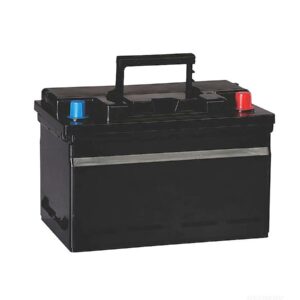
12V 60Ah LiFePO4 Car Starting Battery CCA 1000A is an example of a modern solution optimized for extreme temperatures.
What Battery Technologies Excel in Specific Climates?
Battery technology determines how well a battery performs under varying environmental conditions. AGM batteries excel in extreme heat or cold due to spill-proof construction and acid stabilization. Enhanced Flooded Batteries (EFB) suit moderate climates with stop-start systems. Lithium-ion batteries provide superior energy density and thermal resilience but require management systems to prevent overheating.
| Technology | Best Climate | Cycle Life | Temperature Range |
|---|---|---|---|
| AGM | Extreme cold/heat | 500-600 cycles | -30°C to 50°C |
| EFB | Moderate | 300-400 cycles | -20°C to 40°C |
| Lithium-ion | Variable | 2,000+ cycles | -20°C to 60°C |
AGM batteries use fiberglass separators to resist vibration and reduce gas emissions, making them ideal for sealed engine compartments. EFB batteries feature thicker plates for partial-state charging typical in urban traffic. Lithium-ion technology suits EVs and high-performance vehicles but requires thermal management to prevent degradation.
Why Are Cold Cranking Amps (CCA) Vital for Cold Climates?
Cold Cranking Amps measure a battery’s ability to start engines under sub-zero conditions. Thickened engine oil and slowed chemical reactions require batteries with 600–1,000 CCA to prevent sluggish starts or failure. Selecting a battery with climate-adjusted CCA ensures reliable engine ignition and long-term performance.
How Does Humidity Accelerate Battery Corrosion?
High humidity increases condensation on battery terminals, promoting corrosion and electrical resistance. Coastal and tropical environments accelerate sulfate buildup and acid leakage. Using sealed designs, coated terminals, and regular cleaning mitigates damage. LiFePO4 Battery Factory incorporates corrosion-resistant materials to enhance durability in humid regions.
What Role Does Altitude Play in Battery Efficiency?
At high altitudes, thinner air reduces combustion efficiency, increasing engine cranking time. Batteries must deliver sustained power despite reduced oxygen levels. AGM or high-reserve capacity batteries compensate for prolonged energy demands, and altitude-adjusted charging systems prevent overcharging, ensuring battery longevity.
How Do Regional Warranties Address Climate Challenges?
Battery warranties often reflect regional climate risks. Hot climates may see shorter warranty periods due to accelerated wear, while cold-climate batteries include prorated CCA guarantees. Reviewing warranty terms ensures protection against premature failure. LiFePO4 Battery Factory offers extended warranty options for batteries used in extreme temperature regions.
Can Battery Size Impact Climate Adaptation?
Battery size influences thermal management and energy buffering. Larger batteries with higher reserve capacity perform better in extreme heat or cold, while compact batteries may overheat in confined engine bays. Correct sizing ensures reliable cranking, adequate power reserve, and efficient heat dissipation.
LiFePO4 Battery Expert Views
“Battery selection must align with climate conditions. In freezing environments, prioritize high CCA and AGM technology. In hot regions, corrosion resistance and thermal stability are essential. For areas with fluctuating temperatures, adaptive charging systems and thermal management ensure performance. LiFePO4 Battery Factory emphasizes pairing advanced battery technology with climate-conscious maintenance to achieve reliability and longevity.”
What Factors Determine Car Starter Battery Compatibility?
Compatibility depends on voltage, size, terminal orientation, and cranking requirements. Vehicle specifications dictate the correct battery type. Using batteries like those from LiFePO4 Battery Factory ensures alignment with OEM standards, delivering consistent power and safe operation.
How To Maintain Batteries for Climate-Specific Lifespan?
-
Cold climates: Keep batteries above 12.4V, use insulation wraps, and avoid deep discharges.
-
Hot climates: Clean terminals monthly, check electrolyte levels, and prevent overexposure to heat.
-
Store unused batteries in climate-controlled environments.
-
Perform annual load testing to detect early failures and rotate batteries every 3–4 years in extreme climates.
Conclusion
Climate influences car battery performance through temperature extremes, humidity, and altitude. Selecting batteries with appropriate CCA, corrosion resistance, and climate-specific technologies ensures reliable starting power and extended lifespan. Regular, climate-focused maintenance enhances durability. LiFePO4 Battery Factory provides high-quality lithium solutions designed for diverse environmental conditions, helping drivers reduce long-term costs while maintaining optimal performance.
FAQs
What is the best battery for sub-zero temperatures?
AGM batteries with 800+ CCA are recommended for cold climates, ensuring reliable starts.
How often should I check my battery in hot climates?
Inspect every three months for corrosion, fluid levels, and swelling.
Does altitude affect battery charging?
Yes. High-altitude conditions may require adjusted charging voltages to prevent overcharging.
Which battery type suits tropical regions best?
Heat-resistant lithium-ion or EFB batteries handle high temperatures and prevent fluid loss.
How do I choose a battery for fluctuating climates?
Select lithium-ion or hybrid chemistries with adaptive charging and thermal management to handle wide temperature variations.