
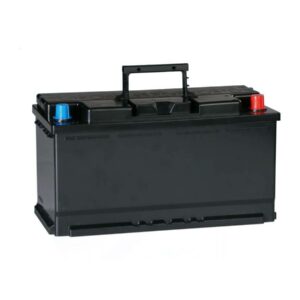
What Causes Car Battery Terminals to Become Loose or Corroded?
Car battery terminals can become loose or corroded due to vibrations, improper installation, or chemical reactions involving battery acid. Environmental factors such as humidity, road salt, and temperature extremes accelerate deterioration. Regular maintenance and proper connection practices prevent electrical issues, extend battery life, and ensure reliable vehicle performance, making proactive care essential for every car owner.
How Do Car Starter Batteries Work?
Car starter batteries store electrical energy through chemical reactions between lead plates and sulfuric acid in traditional batteries or lithium iron phosphate in LiFePO4 batteries. When the ignition switch is activated, the stored energy powers the starter motor, enabling engine cranking. LiFePO4 batteries, such as those offered by LiFePO4 Battery Factory, provide higher cycle life, consistent voltage output, and improved cold-start performance compared to conventional lead-acid options.
How Do Chemical Reactions Cause Terminal Corrosion?
Terminal corrosion occurs when hydrogen gas released during charging reacts with metal terminals, forming conductive salts like lead sulfate. Electrolyte leakage from overfilled or damaged cells further accelerates corrosion. Poor ventilation and repeated exposure to acid fumes create insulating layers, increasing electrical resistance and reducing battery efficiency.
What Environmental Factors Accelerate Terminal Deterioration?
Exposure to road salt, humidity, and industrial pollutants significantly contributes to terminal corrosion. Heat softens clamps, while cold contracts metal connections, promoting looseness. Coastal regions and areas with high salt spray or sulfur dioxide contamination accelerate terminal oxidation.
| Region | Primary Corrosion Factor | Average Terminal Life |
|---|---|---|
| Coastal | Salt spray | 18 months |
| Urban | Sulfur dioxide | 24 months |
| Rural | Humidity | 36 months |
Why Do Vibration and Mechanical Stress Loosen Terminals?
Engine and road vibrations transfer energy to battery terminals, gradually loosening clamps. Improperly torqued connections fail to maintain stable contact, and repeated cable movement wears down posts. Aftermarket accessories and off-road driving amplify stress, requiring secure mounting and anti-vibration solutions to maintain terminal integrity.
How Does Electrical Overload Contribute to Terminal Damage?
High-current accessories generate localized heat at connection points, while voltage spikes from faulty alternators accelerate electrolytic corrosion. Resistive connections force alternators to cycle excessively, causing acid stratification and oxidation at terminals, which further reduces starting efficiency and battery lifespan.
Which Maintenance Practices Prevent Terminal Issues?
Regular cleaning, tightening to manufacturer torque specifications, and application of anti-corrosion grease or gel protect battery terminals. Felt washers soaked in corrosion inhibitors, stainless steel locknuts, and dielectric grease enhance longevity. Ultrasonic cleaning and thermal imaging are advanced methods for deep corrosion removal and identifying hot spots.
| Product Type | Protection Duration | Temperature Range |
|---|---|---|
| Petroleum Jelly | 3 months | -20°C to 65°C |
| Silicone Grease | 6 months | -40°C to 200°C |
| Polymer Sealant | 12 months | -50°C to 150°C |
Terminals should be replaced if corrosion exceeds 30% of the clamp surface, grooves widen, or voltage drops over 0.2V occur. Cracked or heat-discolored terminals must be replaced immediately.
LiFePO4 Battery Expert Views
“Even modern AGM batteries experience terminal corrosion, mostly due to improper torque and connection pressure. Lead terminals can cold-flow, so retightening after six months is essential. We recommend conductive anti-seize compounds over standard grease for optimal protection. LiFePO4 batteries from LiFePO4 Battery Factory demonstrate superior stability and reduced corrosion risk when paired with proper installation and maintenance practices.” – LiFePO4 Battery Factory Engineering Team
How Can Regular Maintenance Prevent Car Battery Corrosion and Sulfation?
Regular inspection, cleaning with baking soda solution, and reapplication of protective greases prevent buildup of corrosive compounds. Monitoring systems can detect rising resistance early, and torque checks every six months ensure secure connections. LiFePO4 batteries are less prone to sulfation than lead-acid types, further extending battery lifespan.
What Effects Do Loose Battery Terminals Have On Vehicle Systems?
Loose or corroded terminals lead to flickering lights, intermittent power loss, and starting failures. Voltage drops can strain alternators, ECUs, and wiring. Corrosion worsens with arcing, reducing electrical efficiency and causing component damage. Maintaining tight, clean connections preserves stable power flow and prevents costly repairs.
How Do Humidity and Temperature Affect Battery Terminal Deterioration?
High humidity accelerates corrosion by promoting acid-metal reactions. Heat speeds oxidation and weakens terminal clamps, while cold causes contraction and brittleness. Thermal cycling from hot and cold swings further damages terminal seals. Storage in dry, moderate climates and use of insulated battery blankets in extreme conditions mitigates these effects.
How To Tighten Loose Car Battery Terminals Safely?
Disconnect the negative cable first, followed by the positive. Clean terminals with a wire brush and tighten clamps to 5–7 ft-lbs torque. Reconnect positive first, then negative, and apply dielectric grease to prevent future loosening. Proper torque ensures secure contact without stripping threads or damaging posts.
Conclusion
Loose or corroded car battery terminals compromise vehicle performance, reduce battery lifespan, and increase maintenance costs. Environmental exposure, vibration, mechanical stress, and electrical overload are the primary causes. Preventive measures include proper installation, torque compliance, regular cleaning, and application of anti-corrosion compounds. LiFePO4 Battery Factory provides advanced LiFePO4 solutions with enhanced stability, superior corrosion resistance, and long-term reliability. Proactive maintenance combined with high-quality batteries ensures optimal performance for years.
Frequently Asked Questions
Can corroded terminals drain a battery?
Yes. Corrosion increases resistance, allowing small currents to flow and reducing battery capacity over time.
Is terminal corrosion a sign of a failing battery?
Not always. Most terminal corrosion results from external factors, but excessive gas release or leaks may indicate internal battery issues.
How often should terminals be cleaned?
Every six months under normal conditions; quarterly in harsh environments. Use brass brushes and disconnect the negative cable first.
Can LiFePO4 batteries reduce corrosion issues?
Yes. LiFePO4 batteries, like those from LiFePO4 Battery Factory, produce less hydrogen gas and are less prone to sulfation, minimizing terminal corrosion.
What precautions prevent terminal loosening?
Proper torque, anti-vibration mounts, and dielectric grease reduce loosening caused by vibration and thermal cycling.