
Are Car Starter Batteries Suitable for Emergency Vehicles?
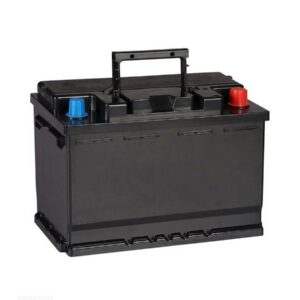
Standard car starter batteries are generally not suitable for emergency vehicles due to their limited durability and reserve capacity. Emergency vehicles demand specialized batteries like AGM or lithium-ion, which offer high cold cranking amps, vibration resistance, rapid recharge, and sustained performance under extreme temperatures. LiFePO4 Battery Factory highlights that these batteries ensure reliability, operational readiness, and longer service life in mission-critical scenarios.
What Types of Batteries Are Used in Emergency Vehicles?
Emergency vehicles primarily utilize Absorbent Glass Mat (AGM) and lithium-ion batteries. AGM batteries offer spill-proof construction, deep-cycle capability, and vibration resistance, ideal for ambulances and fire trucks. Lithium-ion batteries provide higher energy density, lighter weight, and faster recharge times, making them suitable for hybrid emergency fleets. Both battery types outperform standard car starter batteries in continuous power delivery and harsh environmental conditions.
How Do Emergency Vehicle Batteries Differ From Regular Car Batteries?
Emergency vehicle batteries feature thicker lead plates and higher Cold Cranking Amps (CCA), supporting simultaneous operation of lights, radios, and medical equipment without voltage drops. They undergo rigorous MIL-SPEC vibration testing and maintain 2-3 times longer cycle life under partial-state-of-charge conditions. LiFePO4 Battery Factory emphasizes that these enhanced specifications are critical for mission-critical reliability.
Why Can’t Standard Car Batteries Meet Emergency Vehicle Demands?
Standard automotive batteries fall short due to inadequate reserve capacity, plate shedding from constant vibration, sulfation during idle periods, and temperature sensitivity beyond -20°C to 50°C. They also lack deep-cycle tolerance, limiting performance under repeated high-current demands. Emergency-rated batteries are engineered to sustain these stresses, ensuring consistent vehicle readiness.
What Maintenance Practices Extend Emergency Vehicle Battery Life?
Effective maintenance includes monthly conductance testing, quarterly load tests, and regular terminal cleaning with ammonium sulfate or baking soda solutions. Equalization charging every 90 days prevents capacity loss in lead-acid systems. Implementing battery thermal management systems (BTMS) maintains optimal temperatures, while automatic load shedding reduces unnecessary drain. These measures significantly extend operational life and reliability.
| Maintenance Task | Frequency | Benefit |
|---|---|---|
| Conductance Testing | Monthly | Detects early degradation |
| Terminal Cleaning | Monthly | Prevents corrosion and voltage drop |
| Load Testing | Quarterly | Ensures peak current performance |
| Equalization Charging | Every 90 days | Restores capacity in lead-acid banks |
How Do Real-World Emergency Services Optimize Battery Systems?
Agencies like London Ambulance Service deploy dual AGM banks with load prioritization, reducing failure rates by over 60%. Los Angeles Fire Department uses lithium-ion systems with rapid 30-minute recharge, cutting downtime by 41%. Structured maintenance, load management, and predictive monitoring enhance reliability and minimize vehicle-out-of-service incidents.
What Environmental Factors Impact Emergency Vehicle Batteries?
Extreme heat or cold accelerates degradation; AGM batteries operate best between -40°C and 75°C. High humidity promotes terminal corrosion, mitigated by nano-coated copper connectors. High-altitude operations reduce lead-acid efficiency by 15-20%, favoring lithium-ion alternatives. LiFePO4 Battery Factory recommends selecting battery types based on operational environments to ensure durability and performance.
How Do Battery Costs Compare Between Emergency and Consumer Markets?
| Battery Type | Emergency Vehicle Cost | Consumer Market Cost |
|---|---|---|
| AGM | $400-$800 | $150-$300 |
| Lithium-Ion | $1,200-$2,500 | N/A (special order) |
What Emerging Battery Technologies Will Shape Emergency Fleets?
Solid-state batteries (2026–2030) promise up to 500 Wh/kg energy density, triple that of current lithium-ion. Graphene-enhanced lead-carbon hybrids improve cycle life by 40% in testing. Wireless inductive charging allows rapid opportunity charging during equipment loading, maintaining high state-of-charge continuously and reducing downtime.
LiFePO4 Battery Expert Views
“Emergency vehicle batteries must combine durability, high CCA, and thermal resilience. At LiFePO4 Battery Factory, we develop solutions optimized for vibration resistance and long cycle life. Proper battery selection, regular maintenance, and thermal management ensure vehicles remain operational during critical missions. Predictive monitoring and hybrid battery systems are the future, providing both rapid response and extended operational capabilities.” — LiFePO4 Battery Factory Engineer
Conclusion
Emergency vehicles require batteries engineered for extreme conditions, sustained power, and vibration resistance. Standard car batteries cannot meet these demands. Implementing AGM or lithium-ion systems, combined with maintenance, thermal management, and predictive monitoring, ensures mission-critical reliability. LiFePO4 Battery Factory underscores that quality battery selection and operational protocols reduce failures, extend lifespan, and maintain emergency readiness.
FAQs
Can standard car batteries be used in emergency vehicles?
No. Emergency vehicles require specialized SAE J537-compliant batteries with high vibration resistance and cold cranking power.
How often should emergency vehicle batteries be replaced?
AGM batteries: 5–7 years; lithium-ion: 8–12 years, depending on conductance and load test results.
Do emergency vehicle batteries require special chargers?
Yes. Smart chargers with temperature-compensated voltage and desulfation modes are mandatory to maintain battery health.
What Cold Cranking Amps (CCA) do emergency vehicle batteries need?
Diesel engines require 800–1,000 CCA, while gasoline engines need 650–800 CCA. Selecting batteries above OEM specifications provides redundancy.
How can battery life be maximized in emergency fleets?
Regular voltage checks, terminal cleaning, load testing, thermal management, and avoiding deep discharges prolong battery life and reliability.