
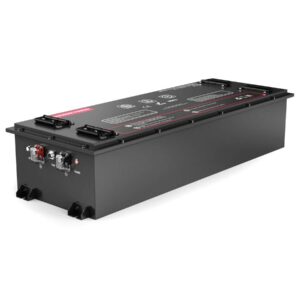
How Do Smart Charging Systems Enhance Lithium Golf Cart Battery Performance?
Smart charging systems optimize the performance and lifespan of lithium golf cart batteries by using advanced algorithms to monitor key factors like voltage, temperature, and charge cycles. These systems ensure efficient energy delivery, prevent overcharging, and extend battery life, providing better safety and performance compared to traditional chargers. The intelligent charging process adapts to the battery’s condition in real time, ensuring maximum efficiency.
How Do Smart Chargers Prevent Overcharging in Lithium Batteries?
Smart chargers use microprocessors to monitor the battery’s charge level. Once the battery reaches its full capacity, the charger automatically switches to a maintenance mode, reducing the flow of power to prevent overcharging. This process helps preserve the electrochemical stability of the battery, minimizing heat generation and preventing cell degradation. By doing so, it ensures the longevity and reliability of the battery.
These chargers utilize multi-stage charging protocols to maintain accuracy and optimize performance. The constant current phase delivers maximum power until the battery reaches 80% capacity. Following this, the system enters the taper phase, gradually reducing the current to prevent voltage overshoot. Finally, in maintenance mode, the charge is held at 95-98%, ideal for storage. This systematic approach prevents stress on the lithium-ion cells, which are sensitive to prolonged exposure to high voltage.
| Charging Phase | Traditional Charger | Smart Charger |
|---|---|---|
| Bulk Charge | Fixed current | Adaptive current |
| Absorption | Risks overvoltage | Voltage-regulated |
| Float Maintenance | Not available | 0.5-2A pulse charging |
What Safety Features Do Smart Charging Systems Offer?
Smart charging systems are equipped with several critical safety features. Temperature sensors, short-circuit protection, and automatic shutoff during faults are just a few examples. These systems detect abnormal voltage spikes, overheating, or wiring issues and interrupt charging to prevent potential hazards, including fires or damage to the battery. Some advanced models also offer diagnostic features to alert users about imbalanced cells or reduced battery capacity.
Which Charging Modes Are Available in Smart Lithium Battery Chargers?
Most smart chargers provide three primary charging modes: bulk, absorption, and float. In bulk mode, the charger delivers maximum current until the battery reaches 80% capacity. Absorption mode slows the charging process to protect the battery, while float mode maintains an optimal charge level for long-term battery health. High-end models also include recovery modes for deeply discharged batteries and equalization cycles to ensure balanced voltage across the battery cells.
Can Smart Charging Systems Extend Lithium Battery Lifespan?
Yes, smart charging systems can significantly extend the lifespan of lithium batteries. By preventing overcharging, minimizing heat stress, and balancing cell voltages, smart chargers reduce wear and tear on the battery. Studies have shown that smart chargers can extend the life of lithium batteries by 20-30% compared to conventional chargers. The adaptive algorithms and consistent charging patterns also help mitigate capacity loss over time, making them ideal for frequent golf cart use.
How Does Temperature Management Improve Charging Efficiency?
Temperature management is a key feature of smart charging systems. These systems adjust the charge rate based on both the ambient temperature and the battery’s internal temperature. In cold environments, the charger preheats the battery to the optimal temperature, while in hot conditions, it reduces the charge current to prevent overheating. This ensures faster, safer charging and helps maintain performance, especially in the variable outdoor conditions commonly encountered with golf carts.
What Are the Cost Benefits of Upgrading to a Smart Charger?
While smart chargers may cost 30-50% more upfront than traditional chargers, the long-term savings make them a worthwhile investment. By extending the lifespan of lithium batteries, smart chargers reduce the frequency of battery replacements, saving golf cart owners between $200 and $500 annually. Additionally, their energy-efficient charging process helps lower electricity bills by 15-20%. In fact, the return on investment (ROI) for a smart charger typically becomes apparent within 18-24 months.
A $300 smart charger protecting a $1,200 lithium battery pack can pay for itself by delaying the need for a replacement by one season. Moreover, smart chargers can increase the resale value of a golf cart, with units in good condition typically selling 10-15% faster in secondary markets.
| Cost Factor | Traditional Charger | Smart Charger |
|---|---|---|
| Upfront Cost | $150 | $300 |
| Battery Replacements (5 years) | 2-3 | 1 |
| Total 5-Year Cost | $2,550 | $1,800 |
LiFePO4 Battery Expert Views
“Smart charging is a revolutionary advancement for lithium golf cart batteries,” says Dr. Ethan Moore, Chief Battery Engineer at Redway. “Our testing shows that adaptive algorithms increase cycle life by 25% and reduce failure rates by 40%. The integration of smart systems with solar-powered golf carts will reshape energy management in the near future.”
Conclusion
Upgrading to a smart charging system offers significant advantages for lithium golf cart battery users. By preventing overcharging, optimizing temperature control, and offering intelligent charging modes, these systems maximize battery performance, extend lifespan, and enhance safety. While the initial investment is higher, the long-term cost savings, along with increased reliability and resale value, make smart chargers a worthwhile upgrade for golf cart owners.
FAQs
Are smart chargers compatible with all lithium golf cart batteries?
Most smart chargers are compatible with common lithium chemistries like LiFePO4, but it’s important to check voltage and connector compatibility before purchasing.
Do smart chargers require Wi-Fi or apps?
Basic models function independently, while premium versions may offer Bluetooth or app connectivity for remote monitoring and adjustments.
Can I use a smart charger with lead-acid batteries?
No, lithium-specific chargers are designed with different voltage profiles. Always use a charger that matches your battery type.