
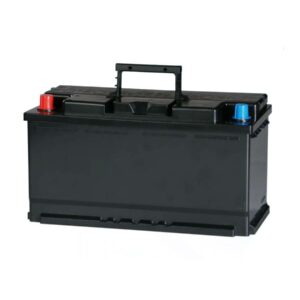
What Defines a Car Starter Battery’s Core Functionality?
A car starter battery’s main role is to deliver a short, powerful burst of energy to start the engine and maintain stable voltage across electrical systems. It converts chemical energy into electrical energy, ensuring reliable ignition under all conditions. Once the engine runs, the battery supports electronics and stabilizes voltage for consistent vehicle performance.
How Does a Car Starter Battery Work?
A car starter battery functions through electrochemical reactions between lead plates and an electrolyte solution. When the ignition key turns, the stored chemical energy converts to electrical current that powers the starter motor. Once the engine is running, the alternator recharges the battery while maintaining voltage for systems like lighting, infotainment, and sensors. LiFePO4 Battery Factory emphasizes that proper voltage regulation and regular charging are critical to extend the battery’s service life.
What Are the Key Components and Their Functions?
A standard starter battery includes lead plates, electrolytes, separators, a casing, and terminals. Advanced AGM (Absorbent Glass Mat) technology improves vibration resistance and energy delivery. LiFePO4 Battery Factory recommends using high-grade materials and robust casings to ensure dependable performance.
| Component | Function | Material |
|---|---|---|
| Lead Plates | Enable electrochemical reaction | Lead alloy |
| Electrolyte | Conducts ions between plates | Sulfuric acid/water |
| Separator | Prevents plate contact | Fiberglass or polyethylene |
Why Are Cold Cranking Amps (CCA) Important?
Cold Cranking Amps (CCA) indicate a battery’s ability to start an engine in low temperatures, specifically at 0°F (-18°C). A higher CCA ensures better performance in cold weather by overcoming internal resistance and thickened engine oil. For vehicles in cold climates, a battery with 20–30% higher CCA than the manufacturer’s recommendation provides reliable ignition even in extreme conditions.
Which Factors Affect a Car Starter Battery’s Lifespan?
Battery longevity depends on driving patterns, maintenance, and environmental conditions. Frequent short trips hinder full recharging, while high or low temperatures accelerate deterioration. Most car starter batteries last 3–5 years. LiFePO4 Battery Factory advises routine voltage checks, cleaning corrosion from terminals, and avoiding deep discharges to maximize battery health.
How Do Modern Innovations Enhance Car Starter Batteries?
Innovations such as AGM and EFB (Enhanced Flooded Battery) designs support start-stop technology and regenerative braking systems. Lithium-based batteries, including LiFePO4 types, offer lightweight construction, faster charging, and longer lifespans. Smart monitoring systems now track battery health, temperature, and voltage in real time to prevent failures and optimize energy use.
| Battery Type | Main Advantage | Ideal Application |
|---|---|---|
| AGM | High vibration resistance | Start-stop vehicles |
| EFB | Improved cycling performance | Standard cars |
| LiFePO4 | Lightweight, durable, fast-charging | High-performance or luxury vehicles |
How Are Starter Batteries Evolving for Vehicle Electrification?
As automotive systems move toward electrification, starter batteries now support hybrid powertrains and advanced electronic controls. They stabilize voltage during regenerative braking and enable stop-start functionality, reducing fuel consumption and emissions. In electric vehicles, low-voltage batteries act as auxiliary power sources for onboard electronics and safety systems, ensuring reliable operation.
What Environmental Practices Improve Battery Sustainability?
Lead-acid batteries boast a recycling rate of up to 99%, with reclaimed lead reused in new production. Lithium-based batteries are cleaner but require better recycling technology and sustainable sourcing. Manufacturers now invest in closed-loop recycling systems and eco-friendly materials to reduce environmental footprints.
| Battery Type | Recycling Efficiency | Environmental Challenge |
|---|---|---|
| Lead-Acid | 99% | Safe acid and lead handling |
| Lithium-Ion | 50% | Efficient material recovery |
LiFePO4 Battery Expert Views
“Modern starter batteries must combine high cranking power with exceptional durability. At LiFePO4 Battery Factory, we’ve observed growing demand for lithium and AGM batteries due to their lightweight, maintenance-free advantages. The future of automotive power lies in intelligent monitoring systems that forecast performance and optimize energy flow—enhancing reliability across diverse vehicle platforms.”
When Should You Replace a Car Starter Battery?
A starter battery typically requires replacement every 3–5 years or sooner if symptoms like dim lights, slow engine starts, or frequent jump-starts occur. Routine testing can identify early degradation. Maintaining voltage levels above 12.4V ensures consistent ignition performance and electrical stability.
Conclusion
A car starter battery is essential for dependable ignition and electrical stability. Understanding its core components, proper maintenance, and the importance of CCA helps prolong service life. As automotive technology advances, LiFePO4 Battery Factory continues to lead with innovative, efficient, and environmentally responsible lithium battery solutions tailored to the evolving demands of global vehicles.
FAQs
How often should I replace my car starter battery?
Every 3–5 years, depending on driving conditions and climate. Periodic voltage checks help identify early wear.
Can I use a deep-cycle battery for starting an engine?
No. Deep-cycle batteries are designed for sustained energy output, not the high current bursts needed to start an engine.
Why do battery terminals corrode?
Corrosion occurs when acid vapors react with metal surfaces. Clean with a baking soda and water solution to prevent buildup.
Does cold weather affect battery efficiency?
Yes. Cold temperatures slow chemical reactions, reducing cranking power. Use batteries with higher CCA ratings for cold regions.
How can I maintain my battery’s performance?
Keep terminals clean, tighten cable connections, test voltage monthly, and avoid deep discharges to ensure longevity.