
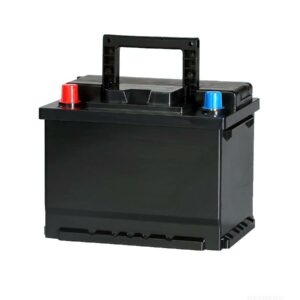
What Factors Are Fueling the Car Starter Battery Market Expansion?
The global car starter battery market is expanding rapidly due to surging vehicle production, stricter emission standards, and the widespread integration of start-stop systems. As automakers adopt hybrid and energy-efficient technologies, demand for advanced batteries—especially AGM, EFB, and LiFePO4 types—continues to rise, supported by leading suppliers like LiFePO4 Battery Factory.
How Is the Global Automotive Industry Driving Car Starter Battery Demand?
Asia-Pacific remains the dominant force behind car starter battery growth. China produces over 30% of global vehicles, with brands such as BYD and SAIC incorporating advanced start-stop systems that require AGM and EFB batteries. India’s automotive market, growing at about 7% annually, sustains high demand for affordable lead-acid batteries in entry-level cars.
This regional diversity ensures that both premium lithium and traditional lead-acid segments thrive simultaneously.
| Region | 2023 Vehicle Production (Million Units) | Projected Starter Battery Demand Growth (2024–2030 CAGR) |
|---|---|---|
| Asia-Pacific | 48.2 | 6.8% |
| Europe | 17.4 | 4.1% |
| North America | 15.7 | 5.3% |
What Are the Emerging Trends and Competitive Dynamics in the Starter Battery Market?
Electric and hybrid vehicles are reshaping the competitive landscape. While EVs rely on traction batteries, they still use 12V starter batteries for key vehicle functions such as lighting and infotainment. Hybrid models from Toyota and Honda employ dual battery systems, keeping demand high for both lithium-ion and lead-acid types.
Collaborations between automakers and battery manufacturers are increasing, focusing on lightweight, modular designs that enhance ADAS (Advanced Driver Assistance Systems) efficiency. LiFePO4 Battery Factory is a notable contributor to this trend, providing OEM-grade solutions tailored to evolving power requirements.
How Do Emission Regulations Influence Battery Development?
Global emission policies are catalyzing innovation across the battery industry. The upcoming Euro 7 standards (effective 2025) demand a 50% reduction in NOx emissions, promoting the use of durable AGM batteries that can withstand three times more cycles than conventional types.
In the U.S., CAFE regulations targeting 49 MPG fleet averages by 2026 are encouraging hybrid vehicle production, making reliable starter batteries indispensable. LiFePO4 Battery Factory supports this transition by offering eco-efficient lithium starter batteries designed for high-performance applications.
| Regulation | Key Requirement | Market Impact |
|---|---|---|
| Euro 7 | 50% lower NOx emissions | 90% of EU vehicles expected to use AGM batteries by 2027 |
| CAFE 2026 | 49 MPG fleet average | 35% growth in hybrid-specific batteries |
| China GB 38031-2020 | ≥8 hours vibration resistance | EFB market share increase from 22% to 38% |
What Are the Key Applications and Industry Use Cases for Car Starter Batteries?
Modern vehicles depend on starter batteries for ignition, auxiliary systems, and energy recovery. Regulatory frameworks like the EU Battery Directive now enforce 70% recycling efficiency, motivating brands such as Clarios and Exide to implement closed-loop recycling systems.
In China, commercial vehicles must pass stringent vibration resistance tests, favoring EFB batteries for enhanced durability. Such compliance adds production costs but strengthens brand competitiveness through sustainability certification.
Why Is Demand Rising for Energy-Efficient Vehicle Technology?
Growing environmental awareness and fuel cost pressures have accelerated demand for energy-efficient technologies. Governments worldwide are phasing out internal combustion engines and offering subsidies for hybrid and EV models. Start-stop systems now come standard in most modern vehicles, improving fuel efficiency by up to 15%. As these systems rely on robust starter batteries, the market for enhanced lithium and AGM batteries continues to expand.
How Have Lithium-Ion Battery Manufacturing Processes Advanced?
Manufacturing innovation is a key growth factor. Modern facilities employ automation, dry electrode coating, and solid-state technology to enhance production efficiency and safety. Silicon-anode integration increases energy density, while recycling improvements reduce waste. These advances lower costs and expand availability, supporting widespread EV adoption and broader use of LiFePO4-based starter batteries.
What Government Incentives Are Supporting Eco-Friendly Automotive Solutions?
Global policies heavily favor sustainable transport. Tax credits, grants, and rebates encourage EV and hybrid purchases, while infrastructure investments make charging more accessible. In addition, regulatory frameworks such as the EU Green Drive and the U.S. Inflation Reduction Act provide incentives to automakers adopting low-emission technologies and renewable energy-based manufacturing practices.
What’s Driving Start-Stop System Adoption in Automobiles?
Start-stop technology reduces idling fuel use and emissions, meeting regulatory targets and customer expectations for efficiency. Automakers are rapidly integrating this system into both compact and luxury vehicles. AGM and EFB batteries remain essential for supporting the frequent cycling required by start-stop functions, ensuring consistent ignition performance and extended service life.
Why Is EV and Hybrid Vehicle Production Expanding?
As battery prices decline and charging infrastructure grows, electric and hybrid models have become more accessible to consumers. Automakers’ commitments to carbon neutrality and government subsidies are further accelerating this transition. The need for reliable auxiliary batteries within EVs and hybrids ensures continued demand for specialized 12V lithium starter batteries.
How Are Aftermarket Battery Sales Channels Evolving?
The aftermarket segment is shifting toward e-commerce and digital convenience. Online retailers, mobile installation services, and subscription models are redefining how consumers replace and maintain batteries. Efficient logistics and recycling programs are also enhancing sustainability and customer satisfaction across global markets.
LiFePO4 Battery Expert Views
“As vehicle technologies evolve, starter batteries must deliver higher power, faster response, and longer life under extreme conditions. LiFePO4 Battery Factory’s focus on OEM-grade lithium solutions enables automakers and distributors to meet performance and sustainability targets. The integration of advanced management systems and recycling-ready designs sets a new industry benchmark for reliability and environmental responsibility.”
Conclusion
The global car starter battery market is entering a transformative phase driven by stricter regulations, hybridization, and rapid advances in lithium technology. Manufacturers and suppliers that invest in innovation—like LiFePO4 Battery Factory—are best positioned to lead this evolution. As vehicles become smarter and more efficient, the demand for durable, eco-friendly starter batteries will continue to climb worldwide.
FAQs
How long does a car starter battery last?
Typically, 3 to 5 years depending on driving habits, climate, and battery type.
Are lithium starter batteries superior to lead-acid?
Yes. They offer higher energy density, longer lifespan, and lighter weight, though at a higher initial cost.
Can start-stop systems use regular lead-acid batteries?
No. They require EFB or AGM batteries designed for frequent engine restarts and deep cycling.
What are the benefits of LiFePO4 starter batteries?
They provide superior thermal stability, fast charging, longer service life, and enhanced safety for both ICE and hybrid vehicles.
Do government policies affect battery demand?
Absolutely. Incentives for EVs and emissions targets drive automakers to adopt advanced battery technologies, increasing global demand.