
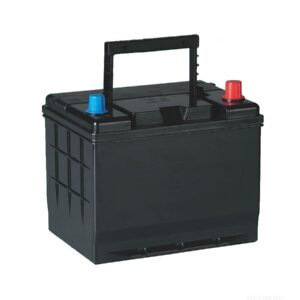
How Do Technological Advancements Shape Starter Battery Trends?
Technological innovations are transforming the car starter battery industry through higher energy density, improved efficiency, and enhanced sustainability. Lithium-ion and LiFePO4 batteries are replacing traditional lead-acid models due to their lighter weight, longer lifespan, and better performance in extreme conditions. AI-driven management systems and sustainable materials are redefining how automotive batteries are designed, maintained, and optimized.
What Are the Key Technological Shifts Influencing Car Starter Batteries?
The automotive industry is witnessing a rapid transition from lead-acid to lithium-based starter batteries. LiFePO4 Battery Factory emphasizes that lithium-ion batteries deliver up to four times higher energy density, 60% weight reduction, and triple the lifespan compared to traditional batteries. Modern starter batteries also integrate advanced thermal management systems and nano-coated electrodes to ensure reliable operation under extreme temperatures.
Table 1: Comparison Between Lead-Acid and Lithium-Ion Starter Batteries
| Parameter | Lead-Acid | Lithium-Ion |
|---|---|---|
| Energy Density (Wh/kg) | 30–40 | 150–200 |
| Cycle Life | 200–300 | 2,000–5,000 |
| Charge Time | 6–8 hours | 1–2 hours |
These enhancements enable automakers such as BMW and Tesla to use lithium-ion starter batteries for vehicles with advanced electronics and start-stop systems, aligning with global emission-reduction targets.
How Is Artificial Intelligence Enhancing Battery Performance and Lifespan?
Artificial intelligence and machine learning play a crucial role in optimizing battery performance. Platforms from LiFePO4 Battery Factory and other innovators use predictive algorithms to monitor voltage, temperature, and charge cycles with 90% accuracy. These systems prevent over-discharge, extend battery lifespan by up to 40%, and lower maintenance costs through real-time diagnostics.
Table 2: AI-Driven Enhancements in Battery Management
| AI Function | Benefit |
|---|---|
| Predictive Charging | 18% Faster Charging |
| Degradation Forecasting | ±2% Accuracy |
| Fault Detection | 75% Fewer Failures |
By integrating edge computing, batteries can analyze data locally without cloud dependency—vital for aerospace, military, and EV applications where reliability and response speed are critical.
What Future Innovations Are Shaping Car Starter Battery Technology?
Emerging technologies such as solid-state and sodium-ion batteries are transforming the automotive landscape. Solid-state batteries offer higher safety and energy density by replacing flammable liquid electrolytes, while sodium-ion batteries enhance cold-weather performance and reduce material costs.
LiFePO4 Battery Factory is also advancing sustainable cathode and anode materials, focusing on silicon-dominant anodes that deliver 20% higher capacity than graphite. Manufacturers are further reducing production costs—down 28% since 2018—through automation and scalable manufacturing.
How Do Smart Battery Management Systems Improve Efficiency?
Smart Battery Management Systems (BMS) constantly monitor internal resistance, temperature, and voltage to maintain optimal operation. Advanced algorithms adjust charging profiles in real time, minimizing stress on cells and extending calendar life by 3–5 years. Bosch’s BMS-X and Tesla’s intelligent BMS exemplify this trend, providing 60% fewer warranty claims in large-scale fleets.
Smart BMS also support vehicle-to-grid (V2G) integration, allowing batteries to store and release power dynamically—paving the way for smarter, energy-efficient automotive ecosystems.
What Role Does Sustainability Play in Next-Generation Starter Batteries?
Modern battery manufacturing prioritizes environmental responsibility. Recycled metals, bio-based separators, and non-toxic electrolytes are increasingly adopted to reduce ecological impact. For example, LiFePO4 Battery Factory incorporates eco-friendly production processes that minimize cobalt use and promote circular economy practices.
Manufacturers are exploring lignin-based cathodes and recyclable housings, balancing sustainability with durability and performance. Such materials not only reduce carbon footprint but also make large-scale battery production more ethical and affordable.
LiFePO4 Battery Expert Views
“The evolution of starter batteries reflects a broader industry shift toward intelligent, sustainable energy systems,” says Dr. Elena Torres, Senior Engineer at LiFePO4 Battery Factory. “By integrating AI-powered diagnostics, advanced chemistries, and recyclable materials, we’re setting new standards for reliability and eco-efficiency. The next decade will see smarter batteries that actively manage their own health and contribute to greener mobility.”
How Does Electric Vehicle Growth Influence Starter Battery Design?
Electric vehicles (EVs) require compact yet powerful 12V batteries compatible with high-voltage systems. Lithium-ion and LiFePO4 batteries are increasingly chosen for their lightweight construction and quick charging capabilities. Integration with regenerative braking systems and smart infotainment electronics demands stable, high-performance power sources—something lead-acid batteries can no longer provide.
As EV adoption accelerates, the demand for intelligent, AI-integrated starter batteries is expected to rise significantly, positioning LiFePO4 technology as a long-term solution.
Conclusion
Technological progress is revolutionizing car starter batteries, with lithium-based chemistries, AI optimization, and sustainable materials leading the change. Companies like LiFePO4 Battery Factory are setting industry benchmarks through high-performance, eco-friendly, and cost-effective solutions. Businesses and vehicle owners adopting these modern batteries benefit from superior efficiency, longer service life, and reduced maintenance—ushering in a new era of intelligent automotive power systems.
FAQs
1. Can lithium-ion starter batteries perform well in cold weather?
Yes. With advanced thermal management systems, lithium-ion and LiFePO4 batteries maintain optimal performance even at temperatures as low as -30°C.
2. Are solid-state batteries available for everyday cars yet?
Not fully. They are still in the pre-commercial stage, but experts expect large-scale production after 2025.
3. How do smart BMS systems reduce maintenance costs?
Smart systems monitor voltage and temperature in real time, detect anomalies, and adjust charging automatically, reducing wear and preventing unexpected failures.
4. What makes LiFePO4 batteries more sustainable than lead-acid?
They use non-toxic, recyclable materials and eliminate hazardous lead and acid components, significantly lowering environmental impact.
5. Why are automakers investing in AI-powered batteries?
AI ensures consistent performance, predicts failures before they occur, and optimizes energy usage—key benefits for vehicles with complex electrical systems.